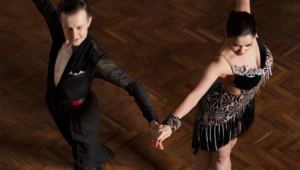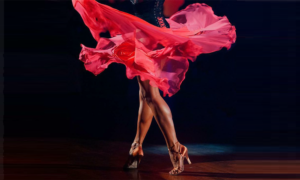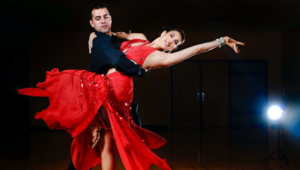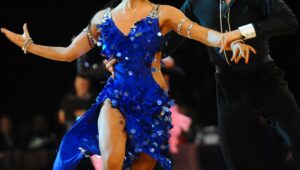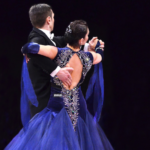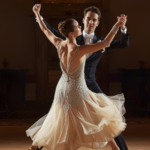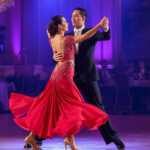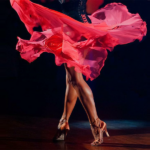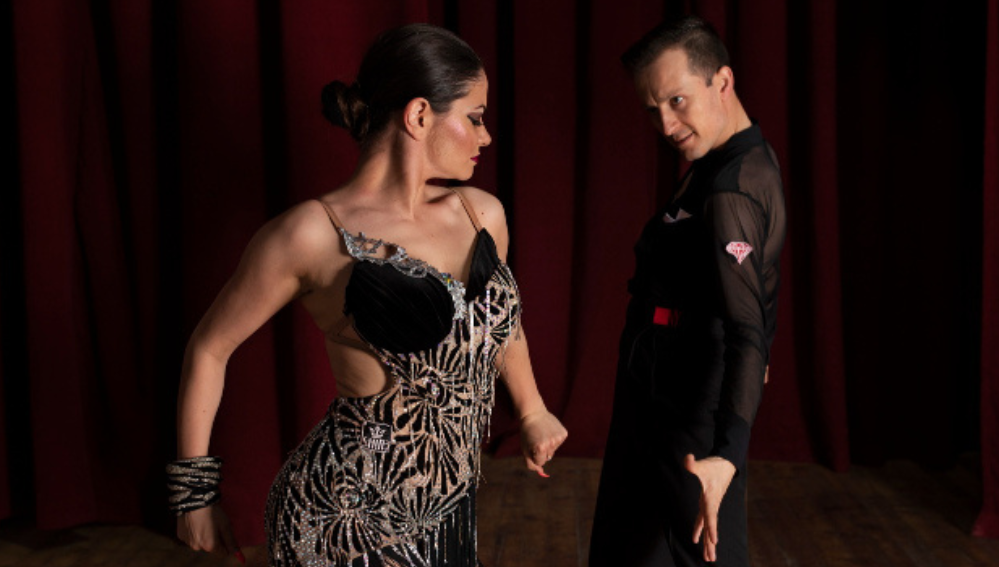
A beautiful dress is only as good as its fit. Even the most stunning stones, fabrics, and colors fall flat if the silhouette isn’t right. That’s why Amy breaks down the essentials of achieving a flawless costume fit — one that highlights your strengths, supports your movement, and helps you feel confident with every step on the dance floor.
1. Start With Your Natural Body Lines
A great costume fit begins with understanding your shape.
Know Your Silhouette
• Hourglass: Emphasize the waist with defined lines and supportive structure.
• Rectangle: Create curves with strategic shaping and diagonal cuts.
• Pear: Balance proportions with shoulder details and clean waist transitions.
• Athletic: Use soft draping or curvy appliqués to enhance femininity.
Choosing patterns that complement your natural lines creates a fit that looks custom—even before alterations.
2. Measure Accurately (Not Just Once!)
Most fit issues come from quick or outdated measurements.
Must-Have Measurements
• Height
• Weight (for proportion and measurement cross-checking)
• Bust
•Waist
• Hips
• Torso length
• Shoulder width
• Arm circumference
For competition costumes, Amy recommends measuring twice — once relaxed, once in dance posture — because your body alignment changes when you perform.
3. Use Fabrics That Support Movement
A perfect look isn’t just about being fitted — it’s about comfort, security and freedom of movement.
Best Fabrics for a Great Fit
• 4-way stretch lycra: Moves with you without distortion.
• Power mesh: Smooths and shapes the torso.
• Stretch velvet: Adds elegance while creating a structured outline.
• Foiled stretch: Gives shine without losing flexibility.
The right fabric ensures your costume hugs your body without restricting expression.
4. Build Structure Where You Need It
Hidden structure is the secret behind a flawless stage silhouette.
Smart Support Techniques
• Built-in cups that stay secure during spins
• Light boning at the waist for shape and stability
• Clear elastic along edges to prevent gaping
• Reinforced seams at high-stress areas
• Snaps or loops to keep straps in place
These elements ensure your costume fit stays intact even during fast turns, lifts, and bends.
5. Tailor for Movement, Not Posing
A costume may fit while standing still, but dance is all about motion.
Check Fit During Movement
• Raise your arms
• Do hip actions
• Practice spins
• Test back flexibility
• Try quick directional changes
This reveals whether the costume needs more stretch, tighter edges, or small adjustments for security.
6. Placement of Cutouts, Mesh & Details
Design plays a huge role in how fit is perceived.
Strategic Design Choices
• Diagonal lines shape and elongate the body.
• Mesh panels create the illusion of a slimmer waist.
• High leg lines lengthen your legs visually.
• Appliqués placed along curves enhance the body’s natural flow.
Done right, these techniques make the costume look sculpted to your body.
7. Final Fitting: The Most Important Step
• Never skip a professional fitting.
• Do a full dress rehearsal in your shoes and accessories.
• Test all choreography elements.
• Adjust straps, hems, and closures.
• Check for any shifting, pulling, or wrinkling.
This final polish transforms a “good” dress into a costume with an exceptional costume fit.
Final Thoughts
A perfect costume fit is a combination of technique, tailoring, and performance-specific design. From accurate measurements to smart structure and movement-friendly adjustments, these elements work together to create a beautifully tailored silhouette that flatters your body and elevates your stage presence. When your costume fits perfectly, you dance with confidence, clarity, and effortless elegance.