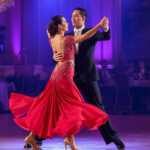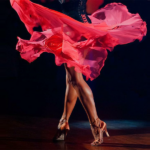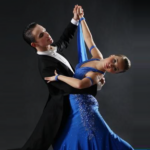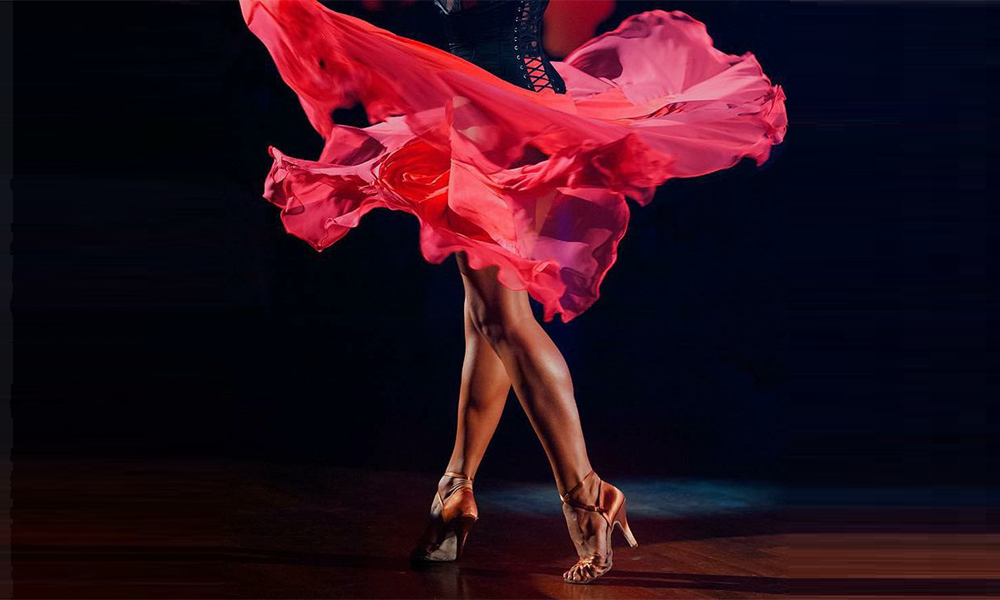
Shoes do more than complete your outfit — they directly affect your balance, posture, footwork, and overall performance. Whether you’re dancing Latin, Standard, or practicing for hours in the studio, the right footwear can transform your technique. Let’s break down exactly what to look for when choosing ballroom dance shoes for every style.
1. Why the Right Shoes Matter
Your shoes are the only connection between your body and the floor. The right pair will help you:
Maintain correct posture
• Improve stability
• Execute smoother movements
• Reduce fatigue
• Protect your feet from injuries
This is why dancers treat their shoes as performance tools, not accessories.
2. Latin Heels: Made for Speed, Rhythm & Precision
Latin styles—Cha Cha, Rumba, Samba, Paso, Jive—demand sharp actions and fast footwork.
➝ What to Look For in Latin Shoes
• Heel Height: Usually 2.5 to 3 inches to create the iconic Latin posture.
• Heel Shape: Slim, flared heels for balance and sharp leg lines.
• Soles: Suede soles for controlled sliding and grip.
• Design: Open-toe style for better articulation and pointing.
• Fit: Snug around the toes and arch to enhance foot control.
➝ How They Help
Latin heels bring your weight slightly forward, helping you create the grounded hip actions and quick steps Latin dances are known for.
3. Ballroom Pumps: For Smooth, Flowing Movement
Standard or Ballroom dances—Waltz, Foxtrot, Viennese Waltz, Tango, Quickstep—require gliding steps and strong frames.
➝ What to Look For in Ballroom Pumps
• Heel Height: Typically 2 to 2.5 inches for stability and elongated lines.
• Toe Style: Closed-toe design to protect feet during long gliding actions.
• Support: Strong arch support for posture and body alignment.
• Fit: Firm heel cup so the shoe doesn’t slip during rise and fall.
➝ How They Help
Ballroom pumps help distribute your weight evenly, allowing smooth transitions, beautiful rise-and-fall movement, and secure heel leads.
4. Practice Shoes: Comfort for Daily Training
Practice shoes are essential for rehearsals and long training sessions.
➝ Why They’re a Must-Have
• Provide more cushioning
• Support your feet during long hours
Help you practice technique without straining joints
➝ What to Look For
• Low or medium heels
• Breathable fabric or leather
• Flexible suede sole
• Comfortable insole for impact absorption
These shoes allow you to train effectively without wearing out your performance footwear.
5. How to Choose the Right Fit
Proper fit is the key to safe and effective dancing.
➝ Fit Tips
• Shoes should feel snug (they stretch slightly with use).
• Your toes should reach the edge but not hang over.
• The heel should feel secure without slipping.
• Always choose suede soles — never rubber or plastic.
• A good fit gives you precision, balance, and confidence on the floor.
6. Caring for Your Ballroom Dance Shoes
To make your shoes last longer:
• Use a shoe brush to freshen suede soles.
• Always air-dry shoes after practice.
• Store them in breathable bags.
• Avoid wearing them outdoors — they’re meant for dance floors only.
Proper care keeps your shoes performance-ready.
Final Thoughts
Choosing the right Latin and ballroom dance shoes is an investment in your technique and confidence. Latin heels enhance speed and style, ballroom pumps support smooth elegance, and practice shoes protect your feet during long hours. With the right pair for each style, you can step onto the floor with comfort, control, and total assurance.