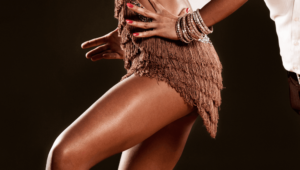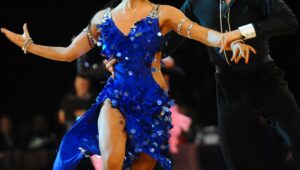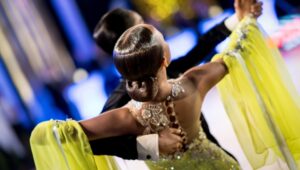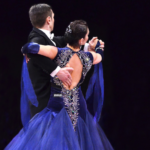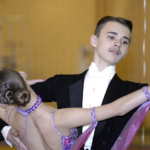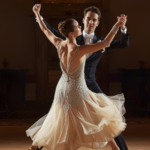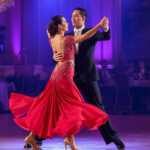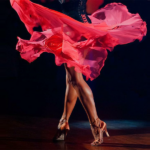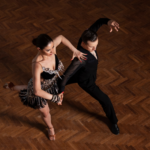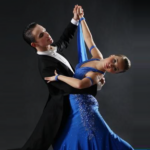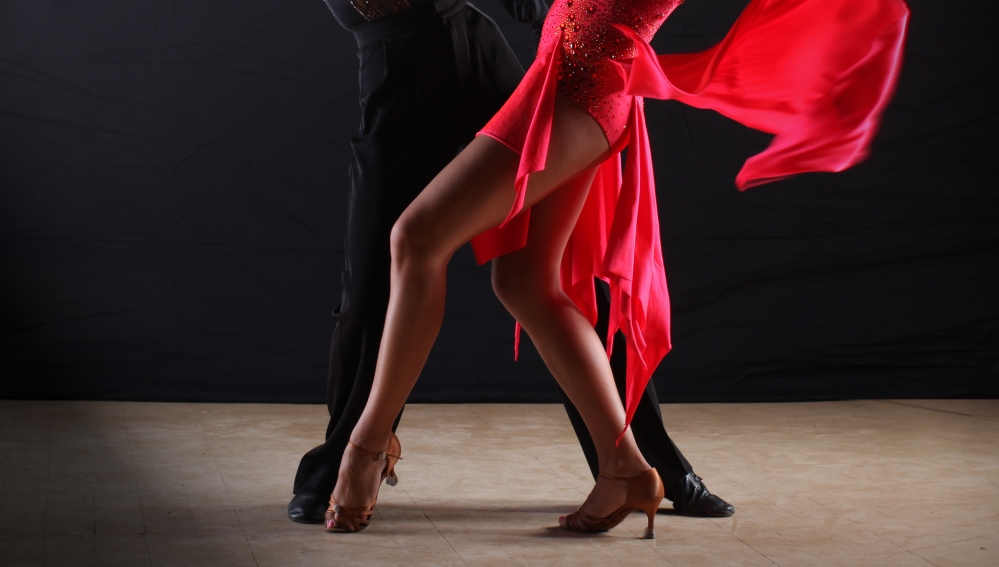
Latin American dancing is a celebration of energy, culture, and connection. Each dance is performed in pairs, creating a vibrant blur of colors as the dancers spin and move with passion in every step. From the flirtatious Cha-Cha-Cha to the dramatic Paso Doble, every dance tells a story rooted in centuries of cultural exchange and expression.
The Origins of Latin American Dance
Latin American dance has deep roots across Mexico, Central America, South America, and the Caribbean, evolving after these regions were colonized by the Spanish and Portuguese. The unique blend of Indigenous, African, and European influences shaped the diverse dance traditions we see today.
For instance, the Mexican Folkloric Dance (Baile Folklorico Mexicano) emerged from indigenous rituals and Spanish influences, often performed for religious and societal celebrations. As Spanish colonization spread, these dances began incorporating Catholic themes, creating a distinctive fusion of faith and festivity.
The Five Main Types of Latin American Dance
Latin American dancing isn’t just one style—it’s a collection of distinct forms, each with its own rhythm, character, and cultural story. The five primary dances include:
1. The Cha-Cha-Cha
Flirtatious, playful, and full of dazzling energy, the Cha-Cha-Cha evolved from the Mambo. While its rhythmic traditions trace back to Africa, the dance itself was born in Cuba. Traditionally performed to upbeat Latin or Cuban music, it’s now also danced to pop and R&B tracks.
The Cha-Cha-Cha focuses on precise leg movements and rhythmic hip action. In the American style, dancers bend and straighten their knees to create hip motion, while in the International Latin style, the supporting leg remains straight and the free leg bends naturally as weight shifts.
2. The Rumba
Known as the “Dance of Love”, the Rumba blends American big band sounds with Afro-Cuban rhythms. Gaining popularity in the U.S. during the 1930s, it’s a slow and romantic ballroom dance that emphasizes hip movement, a steady upper body, and deep partner connection.
Among the five Latin dances, the Rumba is the slowest, allowing dancers to express emotion and intensity through every deliberate step.
3. The Samba
The Samba originated from Afro-Brazilian traditions, rooted in the cultures of Brazil, Angola, and the Congo. First danced by African slaves in Brazil, it has grown into one of the most recognized symbols of Brazilian culture.
Characterized by syncopated rhythms, bouncing actions, and rolling hip movements, the Samba can be performed solo during festivals or as a partnered dance in ballroom competitions. Whether on the streets of Rio during Carnival or on the competition floor, the Samba is pure celebration in motion.
4. The Jive
The Jive has African-American origins and rose to fame in swing clubs and jazz dance halls across the United States. Often seen as a more energetic version of the jitterbug, it’s full of lively kicks, fast footwork, and constant motion.
Known for its quick tempo, lifts, and playful energy, the Jive is one of the fastest and most challenging Latin dances. In 1968, it was officially recognized as one of the five International Latin dances in competitive ballroom dancing.
5. The Paso Doble
Dramatic and powerful, the Paso Doble draws inspiration from Spanish bullfighting and Flamenco. The dance mirrors a bullfight: the lead plays the matador, while the partner represents the cape, the bull, or a Flamenco dancer.
Performed to march-like music, the Paso Doble features sharp poses, staccato steps, and confident postures. Originating in Spain, it gained popularity in France during the early 20th century, where it was performed in parades and public ceremonies before evolving into a competitive ballroom dance.
A Celebration of Culture and Connection
Latin American dancing is more than just a physical expression—it’s a living form of storytelling. Every rhythm, spin, and step reflects centuries of history, passion, and cultural blending. Whether it’s the sensual sway of the Rumba, the joyous bounce of the Samba, or the fiery strength of the Paso Doble, each dance continues to bring people together through music, movement, and emotion.